The Myth Of The Self-Sufficient Cat
“In a cat’s eye, all things belong to cats.” – English Proverb
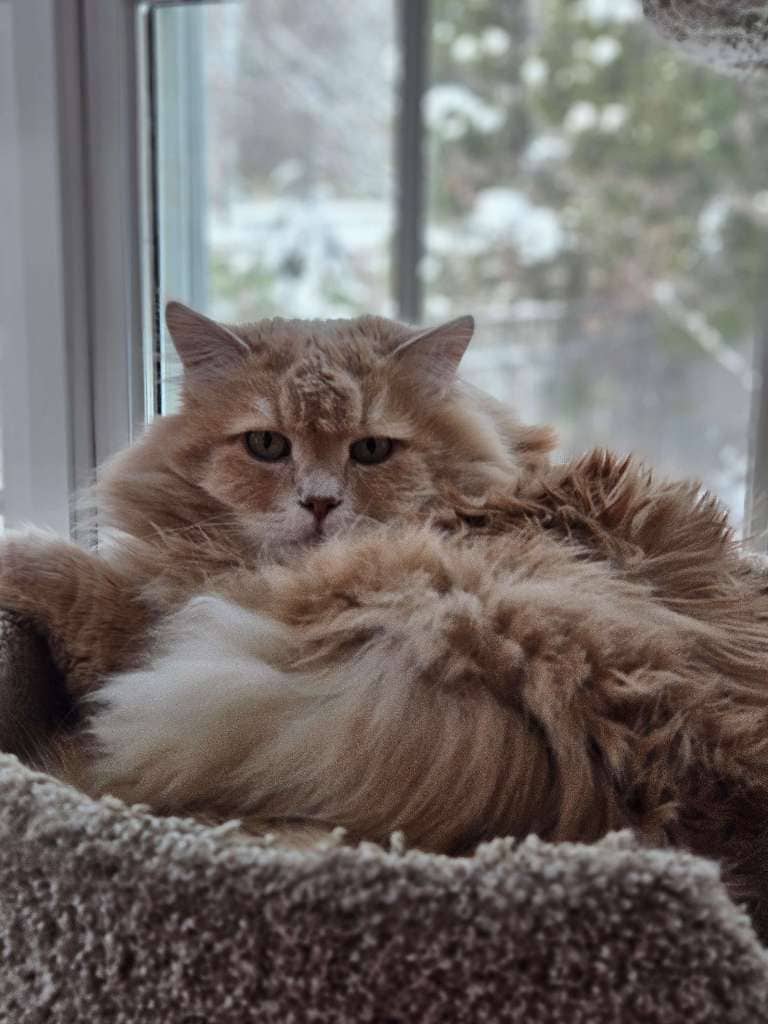
As pet care professionals, we know the care needs for animals can vary greatly depending on species, breed, age and overall health – from senior dogs needing near constant eyes on them to young, independent cats who often just require one quick drop-in a day.
Tails N Whiskers Pet Services also sets our own standards for care; for example, we always require at least three visits a day for dogs whose owners are out of town, and at least one visit a day for cats. Although it doesn’t happen often, we do occasionally get feedback that the mandated “1x a day” cat care requirement is excessive – but as petsitters, we’re the first line of defense in the event of injury or illness. Cats can be aloof and very independent (and we love them for it!) but there are plenty of reasons to justify this care plan.
Did you know cats are masters of disguising distress? They instinctively conceal pain and illness, so a cat that appears “normal” on Day 1 can be in serious trouble by Day 2. In fact, cats can lose up to 70% of kidney function before obvious symptoms appear, and the first signs of issues – like litter box changes and reduced appetite – are often very subtle. However, once cats stop eating, hepatic liver disease can become life threatening in as little as 48 hours. Daily visits ensure that these small but critical changes are noticed early.
Daily litter box monitoring often gives tell-tale signs of other emergencies that can also become fatal within 24-48 hours. Changes in urine volume, blood or straining, and avoidance are often only visible with regular observation. Constipation and diarrhea are common symptoms of dehydration, stress and other systemic illness. Skipping a day or multiple days of visits means missing vital potential diagnostic information.
Although we all love the simplicity and convenience of auto-feeders and water fountains, regularly maintaining the cleanliness of food dishes and filters is necessary to make sure our feline friends are eating and drinking regularly. Cats have a naturally low thirst-drive, and are prone to chronic dehydration which can often lead to the medical issues previously mentioned. Also, wet food left out for too long can spoil, or even attract pests – yuck!
Behavioral changes and safety risks are always a concern as well. Stress is a known trigger for FIC – feline idiopathic cystitis – and changes in routine can also lead to inappropriate grooming, or hiding. We’ve all heard the stories of cats that end up trapped in closets, cabinets, and even behind walls and in air ducts if they are feeling excessive distress. Power outages, HVAC failures and water spills can also create dangerous situations in a matter of hours, especially if you are traveling during times of year prone to winter storms or extreme heat.
Cats appear independent (at least that’s what they’d like us to believe) but research shows that they form secure attachments similar to dogs and children. Yes, they miss you too! Human interaction can help maintain health and happiness even during times of schedule and environmental changes, which is of paramount importance to minimize the risks of any of the above emergencies.
Our “1x a day” visit minimum isn’t just a convenience policy. We consider it to be a health, safety and welfare standard. Tails N Whiskers Pet Services professional cat care offerings mean daily eyes, hands and accountability and we believe anything less than that is a gamble with an animal that cannot ask for help. It’s our responsibility to act not only as their sitters, but their advocates and that’s not a job we take lightly!
As always, if any current or potential clients have questions about our practices and policies, you are welcome to reach out to us via the Time To Pet portal, or to tailsnwhiskersps@gmail.com.