Springtime Tick Talk: Preventing Your Pet From Unwanted Hitchhikers

It’s finally springtime in Chester County, and with the warmer weather comes lots of fun activities – firing up the grill for the first time, planting your veggies and flowers, and taking the dogs out for long walks and hikes on our many miles of well-maintained trails! However, as temperatures rise, so does the activity of our least favorite but most persistent pest – you guessed it, TICKS! Ew!
Unfortunately, those tiny terrors aren’t just a nuisance; they can pose serious health risks to both pets and people. At Tails N Whiskers, we believe prevention and early intervention are paramount to keeping your pets safe from any unwelcome ride-a-longs. Let us answer some common questions that many pet owners have about ticks!
What’s the deal with ticks?
Ticks attach to you or your dog to feed on blood and in the process, they can transmit harmful diseases like Lyme, anaplasmosis (tick flu), and erlichiosis (a bacterial infection caused by a tick bite). These illnesses often lead to symptoms like lethargy, joint pain, fever, and loss of appetite. In some cases, like with Lyme, untreated tick bites can even lead to long-term health complications.
Where do these mini meanies come from?
Ticks thrive in outdoor environments, and you’ll often find them in:
-Tall grass and brush
-Heavily wooded areas
-Leaf piles and litter
-Suburban backyards
During high tick season, even just a normal walk around the block or romp in the yard can expose your dog to ticks.
Well, that’s pretty gross. What do we do about it?
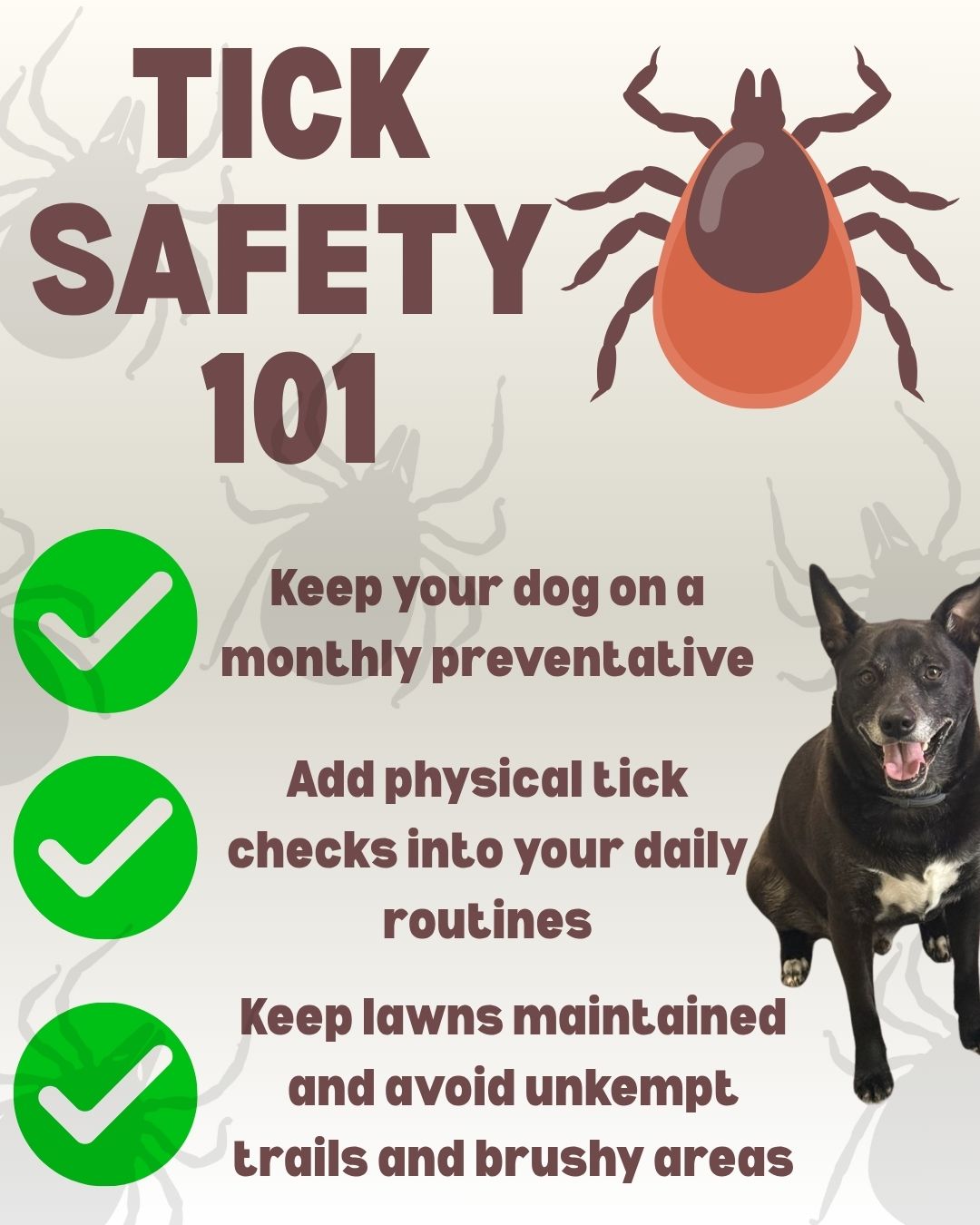
The absolute best first line of defense during tick season is preventatives. Consistent use of vet-recommended and prescribed medication is the most surefire way to cover all of the bases. These medications, like NexGard Plus and Frontline, come in all kinds of forms to suit every necessary administration preference – you can get oral, topical, and even collar forms.
Try to get in the habit of doing daily tick checks as a part of your morning or bedtime routines. Make sure to check your dog thoroughly, especially in spots that ticks like to hide including around the ears, between toes, under the legs, and around the tail and groin. Use a fine brush or comb, especially if you have long-haired pups, to help any buried stowaways. You can also use a lint roller sheet or wet cloth to help pick up ticks and remove them before they latch!
Keep your yard maintained by mowing regularly, removing leaf litter, trimming bushes and using barriers like fencing to keep curious pups from wandering into tick-infested areas. Periodically, you can try the “sock test” in your grass to see if your yard has become a tick town – simply take a white sock and gently rub it along your brush or grass. You can be sure any ticks in the area will try to hitch a ride on a soft and bright object!
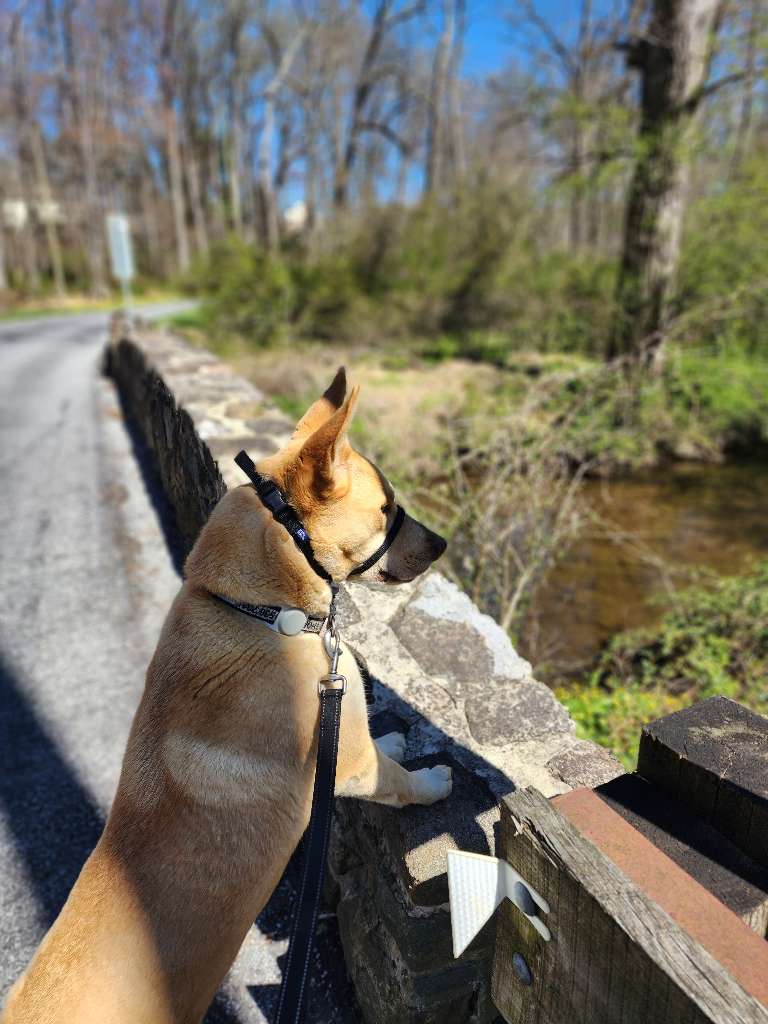
If you’re enjoying the outdoors, make sure to stay on well-groomed trails and out of areas that are not maintained by the parks service or staff. Any areas that are frequented by a lot of wildlife like deer are often tick hotbeds, so stay diligent with grooming immediately after these activities to minimize risk as well.
That’s helpful! But, what if one of them latches on? What then?
First, don’t panic. Removing a tick from your dog is a rite of passage as a dog parent and is very simple and straightforward when done correctly.
Step-By-Step Tick Removal:
1. Use a fine-tipped tool like tweezers or a tick removal tool (we like this one on Amazon)
2. Grasp the tick as close to the skin as possible
3. Pull upward and steadily (don’t rush or force, no twisting!)
4. Make sure the entire tick is removed, including the head
5. Clean the area with antiseptic
6. Wash your hands thoroughly
Avoid using popular “home remedies” you can find online like using a lighter, alcohol or petroleum jelly to draw the tick out. These can increase the risk of disease transmission.
Okay! That doesn’t sound so hard. What about aftercare for the bite itself?
You’ll want to monitor the bite area and your dog over the next few weeks. If you notice any concerning symptoms like redness or swelling in the area that gets progressively worse, lethargy, loss of appetite or limping/favoring then you’ll need to contact your vet – ASAP.
Ticks are tricky – they can be as small as a poppyseed especially in their early stages so don’t trust your eyesight alone. Make sure to run your hand over your dog’s fur often to feel for any unusually hard lumps and bumps, or watch for signs of irritation like excessive licking or nibbling.
And don’t worry – if you’re traveling and incapable of doing tick checks, we’ve got you covered. Tails N Whiskers sitters and walkers are well-educated in tick prevention and removal, and are diligent about checking dogs when their owners are away. Make sure to keep your pet’s medical information up to date in Time To Pet as well to make sure all tick care – from prevention to veterinary intervention if needed – is as seamless as possible.
As always, feel free to reach out with any questions, concerns, or recommendations for tick prevention and care!