
Preparing Your Pet For Your Time Away: A Pet Parent’s Guide To Smooth, Stress-Free Sitting

Leaving your pet in someone else’s care, whether for a quick overnight business trip or an extended overseas family vacation, can bring up a lot of mixed emotions. You probably feel excitement for the adventure, but it’s natural for pet parents to feel a little anxious or worried about how your furry family members might handle the change.
Just like humans, most pets – cats, dogs, rabbits, even fish! – can experience stress when their routine shifts. The good news is that with a little preparation, you can set your pets, your sitters, and yourselves up for success. Let’s talk about what to expect, and how to make it easier on everyone involved!
Start With Your Routine
Pets thrive on predictability. When you leave, they miss you, but they also can stress over the adjustment to any new rhythm in the house. Ahead of the trip, make sure to keep feeding, walking, and bedtime schedules as consistent as possible. Avoid introducing any major new changes, like food or medications, to your pets right before any time out of town. And, if you have the lead time ahead of your departure, have your sitter come by for a visit or a walk a few times so that your pet feels comfortable with them in your home. Lastly, but perhaps most importantly, write your schedule down in detail for your sitter, including anything like little silly songs you sing or games you play with your pets. The more they feel like their sitters are an extension of their family, the smoother things will go!
Common Issues, Why They Happen & How To Prepare
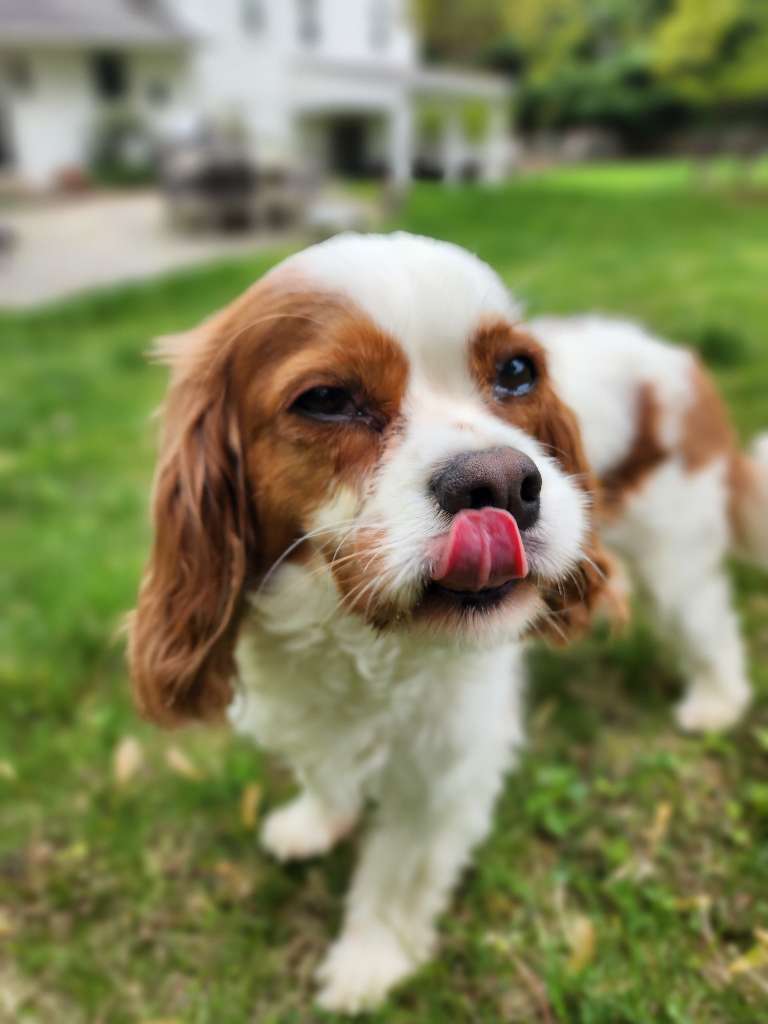
Even with preparation, some pets might still show signs of stress when their families are out of town. That’s normal. Here are some of the most common issues:
1. Tummy Troubles: Stress can quickly impact digestion. You might see symptoms present like loose stool or diarrhea, hunger strikes, and mild vomiting. In severe cases, some pets can develop issues like gastroenteritis which can cause blood in stool.
Why It Happens: Anxiety + routine changes = digestive disruption.
How To Prepare: Stick to their regular food as sudden changes can often make things worse. Introduce digestion support like probiotics or a bland diet of chicken and rice at the directive from a quick call to their vet. Make sure to leave clear feeding instructions for your sitter, and expect that Tails N Whiskers pet care pros will alert you to any signs of abnormal bathroom habits.
2. Separation Anxiety: Some pets struggle more emotionally when you are away. These signs can include excessive barking or meowing, pacing and restlessness, or clinginess when the sitter arrives. It’s common for pets to want to hang out by entrances, or in areas of the home where they usually spend a lot of time with their families.
Why It Happens: Situational separation anxiety can occur because of the absence of the pet parents or guardians that the animal is most attached to, and the emotional discomfort from being left alone.
How To Prepare: Practice short departures before your trip, especially if you are reintroducing crate time. Leave items behind that smell like you, such as t-shirts, blankets or pillowcases as even your scent can provide comfort to an emotionally stressed pet. Also, make sure you are honest with your sitter about your pet’s behavior and communicate clearly their needs – some pets are OK to be left alone for quite some time, others need more frequent check-ins.
3. Destructive Behavior: Even if your pets are not normally destructive, changes in routine might cause them to destroy personal items, scratch at doors or floors, and get into things your pets might normally ignore (like the trash).
Why It Happens: Destruction isn’t necessarily “bad behavior” but it often can be an indicator of boredom and stress.
How To Prepare: Remove tempting or dangerous items before you leave, like items from countertops. Provide tons of enrichment (puzzle toys, Kongs, and safe chews like yak cheese – we like this brand from Amazon!). Make sure to clearly communicate any known triggers or habits to your sitters so they can keep a watchful eye.
Set Your Petsitter Up For Success

Even the best sitters like those on staff with Tails N Whiskers can only work with what they know. The more information that you provide, the better they can care for your pet. Our client portal Time To Pet offers lots of space for pet parents to enter all necessary and relevant information ahead of any travel; we always encourage supplemental documents as well, if needed! These can be attached to your pet profile via messaging, or e-mailed to the company: tailsnwhiskersps@gmail.com
Make sure to share the following information:
-Detailed feeding instructions (including quirks or picky habits, or behaviors like resource guarding or food aggression)
-Your pets bathroom routines and any “tells” your pet gives (standing by the door, pacing)
-Known anxieties, triggers or behavioral patterns (loud noises like car alarms or thunder)
-Emergency contacts and vet information, including preferences for emergency care
-What’s normal vs. what might be concerning and when to reach out to the vet
Create A Comfortable Environment

Before you head out, leave your home pet-proofed and tidy. Make sure you’ve restocked on any meds, food and treats. Identify your pet’s favorite toys and comfort items and keep them accessible to your sitters. Maintain familiar spaces as best as possible – don’t rearrange furniture, or restrict access suddenly without proper preparation. The environment should feel as “normal” as possible, even though you aren’t there.
Communication Is Everything
Pet care services like Tails N Whiskers use client portals like Time To Pet to stay in constant contact with pet parents during their workdays but also for check-ins during extended travel. Most clients can expect 3-5 daily check-ins with detailed messages about activities and behavior, as well as photos, for your peace of mind. It’s also helpful to have reciprocal communication from our clients as well to make sure things seem normal, healthy and safe for everyone!
No one, even our pets, handle changes perfectly and that’s okay. Preparation for time away isn’t about perfectly eliminating every issue; it’s about minimizing stress, creating predictability, and giving your sitter the tools they need to respond with confidence. When everyone is prepared, your pet feels safer, your sitter feels supported and best of all, you can enjoy your trip without having to worry if things are OK at home. You’ll just know!